
Savor the Alpine–Coastal Craft Route, One Handcrafted Story at a Time

Welcome to Handcrafted Traditions of the Alpine–Coastal Corridor: A Slow Shopping Guide, an invitation to pause among spruce-scented valleys and salt-bright harbors, listen to tools at work, and choose heirlooms with intention. Wander between high pastures and quiet quays, meet makers in their own light, and collect meaning instead of clutter. Share your finds, ask heartfelt questions, and let every purchase honor place, patience, and people.

Where Mountains Meet the Sea, Makers Open Their Doors

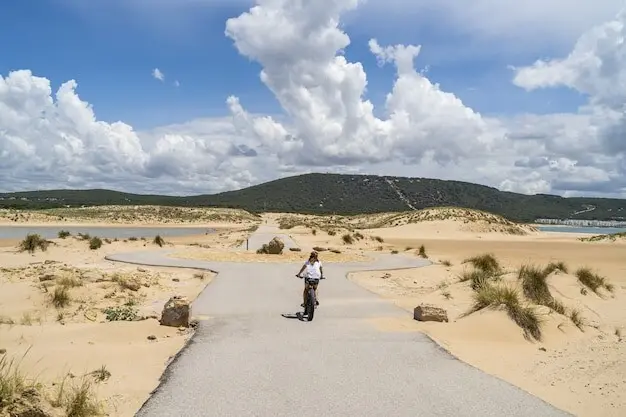
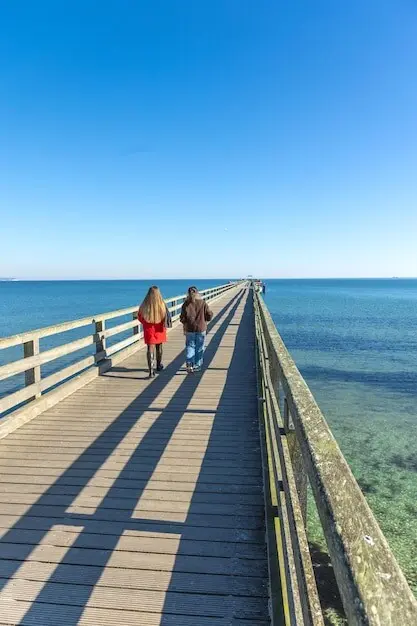
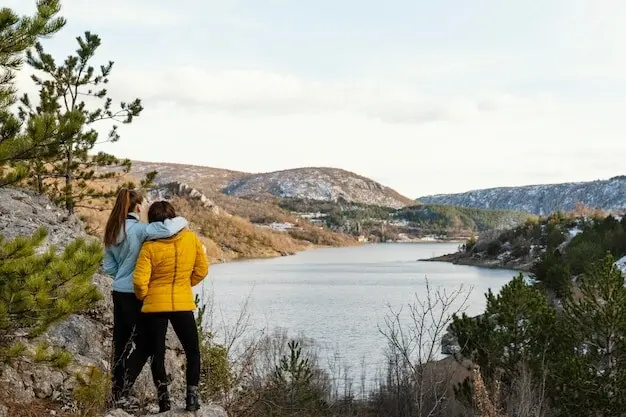
Begin your journey at the meeting point of ridgeline chill and coastal warmth, where workshops smell of resin, wool, and brine. Doors open early, coffee steams on worn benches, and the first knock invites a conversation about process, lineage, and purpose. Travel gently, greet generously, and let the rhythm of hammers, shuttles, and bobbins slow you down until each choice feels like a promise kept with your future self.

Valley workshops that breathe resin and snowmelt

Step into a carver’s room where spruce curls gather like snowfall at your boots. The tools are simple, the gestures memorized, and a grandfather’s mallet still carries winter’s echo. Ask about the forest, the drying racks, and the first cut that reveals intention. Leave with something shaped by altitude and patience, remembering the laughter that rose like chimney smoke when you chose a piece meant to age alongside you.

Lace rooms where bobbins whisper coastal winds

In a quiet attic above a cobbled lane, polished bobbins click like gulls over tide. Hands move with tide-table certainty, mapping air into patterns taught by aunts and neighbors. Hear how sea fog influences thread tension, why good light matters, and how a mistake becomes a motif. When you carry home a delicate edge or framed panel, you carry hours that no clock could meaningfully measure.

Materials of Place: Wool, Wood, Stone, Salt, and Sea
Materials speak before makers do. You’ll feel lanolin-rich wool hum with meadow songs, wood record tree rings like diaries, stone hold frost memories, and salt flash crystalline stories of wind. Each object carries traces of origin you can sense with fingertips and nose. Learn to recognize these signals, to ask where fiber grazed or which quarry gave, and to choose pieces that keep their birthplace legible even after decades of daily use.

Routes and Rituals for Unhurried Buying
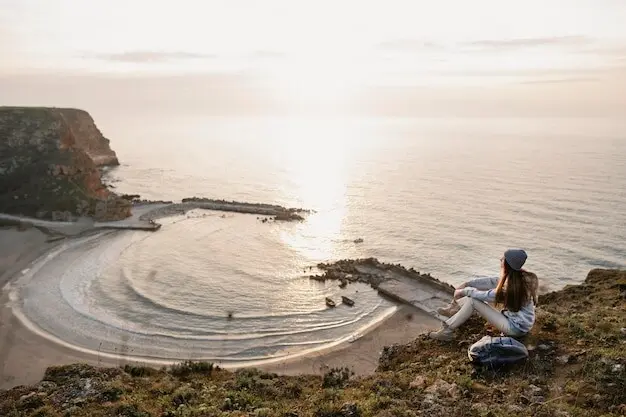
Moving slowly is a technique, not merely a pace. Design mornings for markets, afternoons for workshops, and dusks for reflection with bread, cheese, and sea-lit windows. Use local trains, ferries, and your feet to stitch landscapes together. Carry a notebook of names, a cloth bag, and time for detours. The ritual turns purchasing into conversation, and conversation into memory, until everything you bring home contains the sound of your own footsteps.

Buying Well: Courtesy, Questions, and Provenance

Authenticity blooms where respect is practiced. Begin with names, eye contact, and genuine curiosity about materials, mentors, and methods. Ask for signatures, stamps, or notes that trace origin without reducing craft to paperwork. Discuss repairs, refinishing, and realistic timelines for custom requests. Pay fairly, photograph sparingly, and always share where you discovered someone, inviting others to support them too. Good manners turn a transaction into a shared chapter both of you will remember.

Three Journeys Shaping Work Worth Keeping

Real craft is carried by people whose biographies bend like mountain roads and coastlines. Their skills mature through winters of repetition and summers of public markets, guided by mentors, weather, and luck. Meeting them personalizes geography and time, turning purchases into responsibilities. These stories are not marketing; they are ways to witness persistence. Carry them, retell them accurately, and teach your objects’ future caretakers to repeat each name with warmth and accuracy.
He learned in an unheated shed, carving after chores, the frost teaching patience. Now he selects boards by ear, tapping for clear notes like a luthier. His figures carry valleys in their shoulders and storms behind their eyes. He stamps the base lightly, then writes the tree’s hillside in pencil. When you oil the piece each spring, he asks you to remember the ring he spared for next year’s growth.
A mother and daughter work opposite sides of the pillow, bobbins crossing like steady heartbeats. They debate patterns over tea, recalling neighbors who taught them a knot or warned against weak thread. Commissions arrive as wedding gifts, christening borders, and window veils. They price not by hours alone but by revisions and backtracking honesty demands. When you frame their work, leave room for air, because emptiness is the language their hands perfected.
His yard smells of resin, sawdust, and salt. After launching a repaired skiff, he refuses to waste shaped offcuts, coaxing them into ladles that nest perfectly or cutting boards that follow grain like shorelines. He tests each handle with wet hands, then burns a tiny wave mark where balance is found. Purchase comes with a care ritual printed on kraft paper: seawater memories require gentle soap, sunlight breaks, and occasional lemon oil.

Caring, Packing, and Crossing Borders

Stewardship begins at the counter and continues for years. Ask for wrapping that protects finish without smothering breath, and learn repair pathways before you ever need them. Understand customs rules, material restrictions, and documentation for smooth travel. At home, choose storage that celebrates rather than hides, rotating pieces into daily life. Maintenance days become small holidays—oiling, brushing, mending—when you recall voices, workshops, and views that first convinced you to invest in lasting beauty.

Seasons, Festivals, and Community Invitations

Calendars matter as much as maps. Winter stalls glow with citrus peels and candlelight, spring opens trails to hillside looms, summer brings boat parades past dockside benches, and autumn markets anchor harvest gratitude. Attend fairs, but also weekday studio hours when conversations stretch. Share your route with fellow readers, compare makers you met, and exchange practical tips kindly. Subscribe for field notes, reply with questions, and help weave a circle that keeps these livelihoods strong.
Lorosirafarinexo
Privacy Overview

This website uses cookies so that we can provide you with the best user experience possible. Cookie information is stored in your browser and performs functions such as recognising you when you return to our website and helping our team to understand which sections of the website you find most interesting and useful.