

Step Quietly into the Green

Today we invite you to experience forest bathing, a gentle, unhurried way of walking and noticing that rekindles attention, steadies breath, and restores perspective. Step beneath branches, let edges of noise fade, and allow curiosity, science, and simple rituals to guide a slower, kinder day.

Why Slowness Begins Among Trees

{{SECTION_SUBTITLE}}

Science in the Canopy
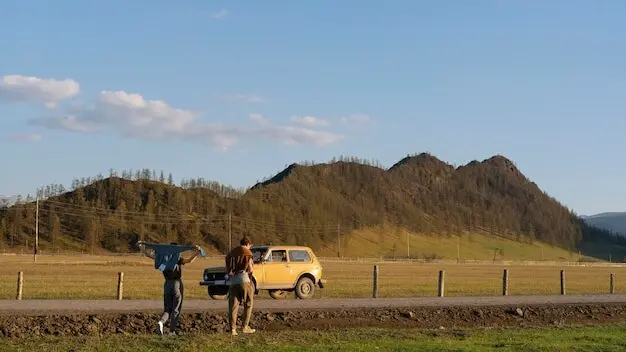
Studies in Japan and beyond suggest trees release phytoncides that may boost natural killer cell activity, while spacious attention reduces rumination and perceived stress. You do not have to measure anything; simply notice your breath deepen, shoulders soften, and curiosity widen as you slow enough to meet the living world.

A Personal Pause

Last spring, I followed a winding path after a difficult week, timing nothing, phone silent. A wren flicked across a fern, and resin from a storm-fallen pine lingered sweetly. Fifteen unproductive minutes became generous again, as if the forest remembered a gentler standard for worthwhile moments and invited me back.

Preparing for Your First Immersion

What to Bring, What to Leave

Bring water, a small sit pad, and perhaps a thermos for a closing tea. Leave timelines, performance expectations, and worries about doing it right. A simple pocket notebook can help capture sensations after, but during, let your senses lead, unmediated by screens, tasks, or commentary.

Finding the Right Grove

Look for a patchwork of light and shade, mixed species, and quiet corners near water or moss. Avoid steep, technical trails at first. Aim for places where you feel safe alone, yet still surprised, so curiosity can bloom and worry does not crowd your attention.

Respecting the Living Community

Move gently, stay on durable surfaces when possible, and give generous space to birds, insects, and fellow walkers. Pack out everything. Notice your footprint and your voice, lowering both. Gratitude practiced aloud or silently becomes a form of belonging that benefits you as surely as the trees.

Listening for Edges of Silence

Find a spot where traffic hushes, and notice the gradient between urban noise and woodland hush. Identify layers: wind, wingbeats, fallen leaves shifting, a distant creek. Let each sound arrive without naming, then pass. Often, the softest notes steady attention best, anchoring the mind without effort.

Breathing with Resin and Rain

Notice how scent changes after mist or sun. Close your eyes and breathe slowly, counting comfortable lengths, then letting the counting fade. Resin, soil, and leaf oils mingle uniquely here. Imagine each exhale feeding the forest and each inhale receiving its generous, oxygen-rich reply.

Touch, Texture, and Belonging

With clean hands, explore textures gently: bark, smooth stones, feathery moss, springy duff. Notice temperature shifts on your skin. Let touch become a conversation rather than a grab. When we contact living textures slowly, our nervous systems learn safety, reciprocity, and a kinder stance toward ourselves.

Rituals That Stick

Begin with a threshold moment: pausing at the trailhead, placing a hand on a trunk, or greeting the wind. Close with tea or three gratitudes whispered to the understory. Small, repeatable markers signal your nervous system that you are safe, welcome, and unhurried here.

Journaling Without Pressure

Afterward, jot a few sensory highlights, sketches, or single words, resisting analysis. Record weather, scents, and one surprise. Over months, these fragments reveal patterns, deepening trust in slow care. The practice remains playful, welcoming, and forgiving, especially when life feels crowded, loud, or relentlessly goal-driven elsewhere.

Pocket Parks and Street Trees

Choose a bench with dappled shade and notice daily shifts: buds swelling, bark darkening after rain, birds changing routes. Ten mindful minutes between errands can be surprisingly restorative. The practice is portable, humble, and honest, meeting your life where it actually unfolds, block by block.

At-Home Invitations

Open a window, slow your breath, and trace the sky’s color with your eyes. Touch a houseplant’s soil, listen to distant sparrows, and steep a pine needle or rosemary tea. Small, sensory anchors turn apartments into thresholds, reminding your body that quiet attention is always available.

Finding Guides and Groups

Search for certified guides, park programs, or local nonprofits hosting slow walks. Ask about accessibility, group size, and pace. The best fit feels welcoming and uncompetitive, with space for silence. Afterward, linger to share reflections, tea, or quiet nods that say, yes, we belonged here together.

Stories from the Path

Invite participants to tell one moment that surprised them: a beetle’s iridescence, a sudden hush, the smell of rain on cedar. These stories ripple, reminding us to keep noticing. Collecting them gently forms communal memory, strengthening care for the places that care for us.
Lorosirafarinexo
Privacy Overview

This website uses cookies so that we can provide you with the best user experience possible. Cookie information is stored in your browser and performs functions such as recognising you when you return to our website and helping our team to understand which sections of the website you find most interesting and useful.